Last updated: April 2026
Energy Performance Certificates have transformed the rental landscape in the UK and across Europe. In Gibraltar, the framework is developing and landlords who stay ahead of requirements will avoid problems as regulations tighten. This guide covers the current EPC position in Gibraltar, what is required, and what to expect going forward.
Quick Summary
- Gibraltar has its own Energy Performance Certificate framework separate from the UK
- EPCs rate properties from A (most efficient) to G (least efficient) on a scale
- Landlords in Gibraltar should understand current requirements before listing properties
- Energy efficiency improvements affect both EPC ratings and long-term property values
What Is an Energy Performance Certificate?
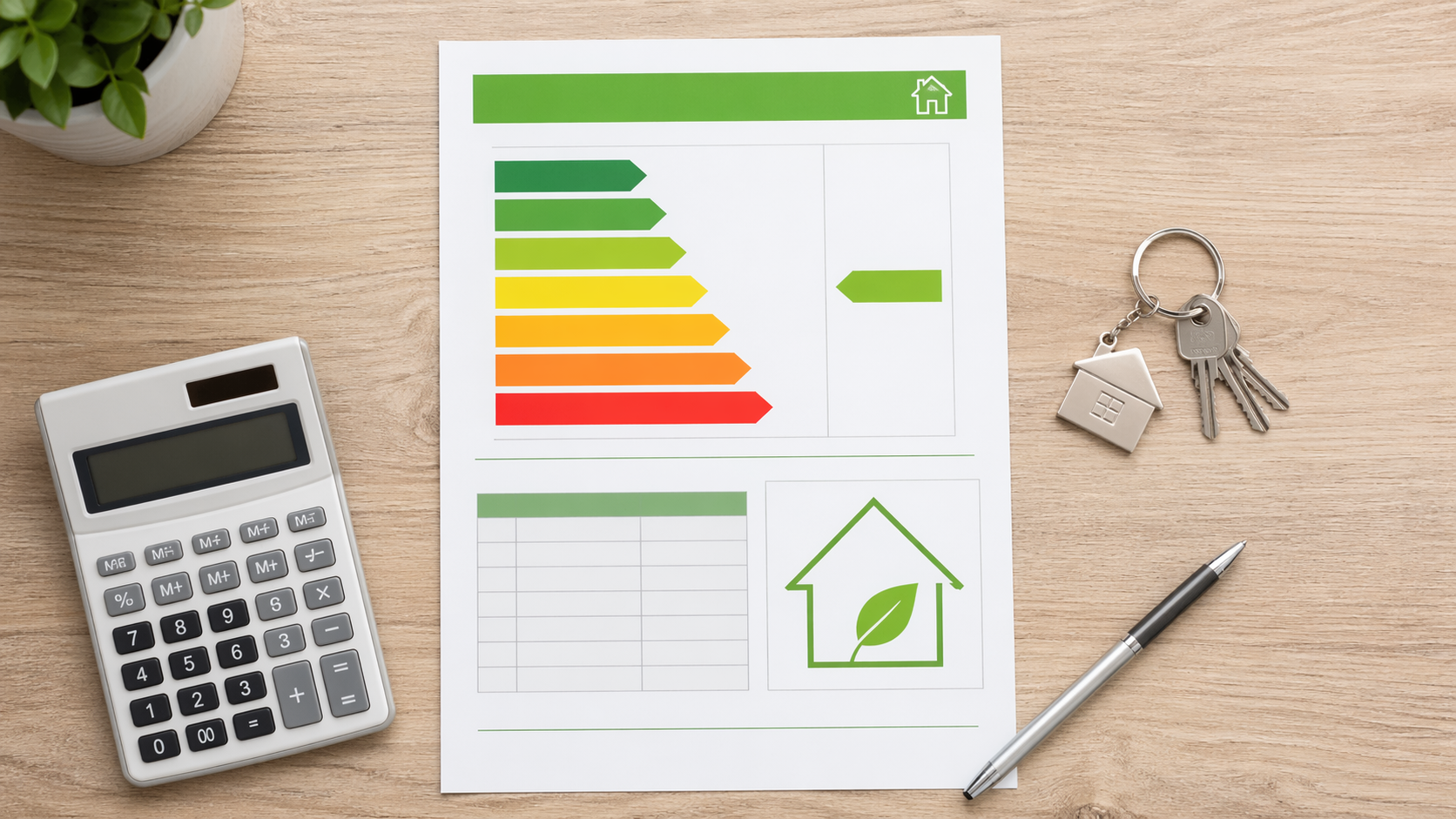
An Energy Performance Certificate is an official assessment of a property's energy efficiency. An accredited assessor visits the property and rates it on a scale from A (most efficient) to G (least efficient) based on factors including insulation, heating systems, glazing, and building fabric.
The certificate gives prospective tenants information about the property's running costs and environmental impact. It also typically includes recommendations for improvements that would raise the rating.
How EPCs Work in Gibraltar
Gibraltar has its own legislative framework for energy performance, developed in line with European directives but adapted for the jurisdiction's specific circumstances. Key points for landlords:
- Who can issue EPCs -- only accredited energy assessors registered with the Gibraltar government can issue valid EPCs. Use unregistered assessors at your own risk.
- Validity period -- a valid EPC lasts 10 years. If you have an EPC issued for a previous tenancy within the last 10 years, it may still be valid.
- New builds -- developers must provide an EPC for new properties before they can be marketed for sale or rental.
EPC Ratings: What They Mean for Gibraltar Properties
| Rating | Meaning | Typical Gibraltar Properties |
|---|---|---|
| A-B | High efficiency, low running costs | New builds, recently refurbished properties |
| C-D | Moderate efficiency | Properties with some improvements (double glazing, modern heating) |
| E-G | Lower efficiency, higher running costs | Older Gibraltar stock, pre-1980s buildings, poor insulation |
Gibraltar's climate (mild winters, hot summers) means heating demand is lower than northern Europe. However, cooling costs and building fabric quality still significantly affect EPC ratings. Many older Gibraltar flats have poor air sealing and single-glazed windows that drag ratings down.
What Improvements Raise an EPC Rating?
Common improvements that assessors recommend and that genuinely move the needle on EPC ratings:
- Double or triple glazing -- replaces single-pane windows, reduces heat transfer in both directions
- Insulation -- roof and wall insulation where possible. Older Gibraltar buildings often have uninsulated roof spaces.
- Efficient lighting -- LED throughout is an easy win and assessors note it
- Hot water systems -- modern condensing boilers or heat pump systems score well
- Solar panels -- increasingly common in Gibraltar, both for EPC rating and for genuine energy cost reduction
Beyond regulatory compliance, higher EPC ratings are increasingly attractive to tenants who face energy costs directly. A demonstrably efficient property justifies higher rent and attracts quality tenants who value lower running costs. It is an investment with both compliance and commercial return.
What to Expect as Regulations Evolve
Across Europe, minimum EPC standards for rental properties are tightening. The UK is introducing minimum E ratings for all rentals (already in force) and is consulting on C-rating requirements. Gibraltar typically follows similar trajectory to the UK on energy regulation. Landlords who act now:
- Avoid last-minute compliance costs when minimum standards are introduced
- Can spread improvement costs over time rather than facing an urgent single bill
- Attract better-quality tenants who seek efficient homes
- Protect capital value as poorly-rated properties become harder to sell or let
How to Get an EPC in Gibraltar
Contact the Gibraltar government's environment department or a registered energy assessor to arrange an EPC for your property. The assessment typically takes 30-60 minutes for a standard apartment. Fees vary but £100-200 is a reasonable expectation for a typical Gibraltar rental property.
The Bottom Line
EPC requirements in Gibraltar are developing and landlords who understand the framework now will be better positioned as standards tighten. Getting an EPC, knowing your property's rating, and planning any improvement works ahead of regulatory deadlines is simply good landlord practice. It is also increasingly a commercial consideration as energy-conscious tenants factor running costs into their rental decisions.
Frequently Asked Questions
Is an EPC legally required to let a property in Gibraltar?
Gibraltar's energy performance regulations are developing. Landlords should check current requirements with the Gibraltar government or a local property management professional. The trend across comparable jurisdictions is toward mandatory EPC requirements for rentals.
How long does an EPC last in Gibraltar?
An EPC is valid for 10 years from the date of issue. If you have had an EPC done within the past 10 years for the same property, it may still be valid. The certificate must cover the property in its current state, so major renovations may require a new assessment.
How much does an EPC cost in Gibraltar?
Fees vary by assessor and property size. For a standard Gibraltar rental apartment, expect to pay in the region of £100-200. Always use a registered, accredited assessor as only their certificates are legally valid.
What happens if my property has a poor EPC rating?
Currently, a poor rating does not automatically prevent letting in Gibraltar, but this may change as minimum standards are introduced. A poor rating does affect tenant perception and can justify lower rents. Addressing the improvements the EPC recommends is the practical solution and usually pays back through improved rental income and reduced vacancy.